
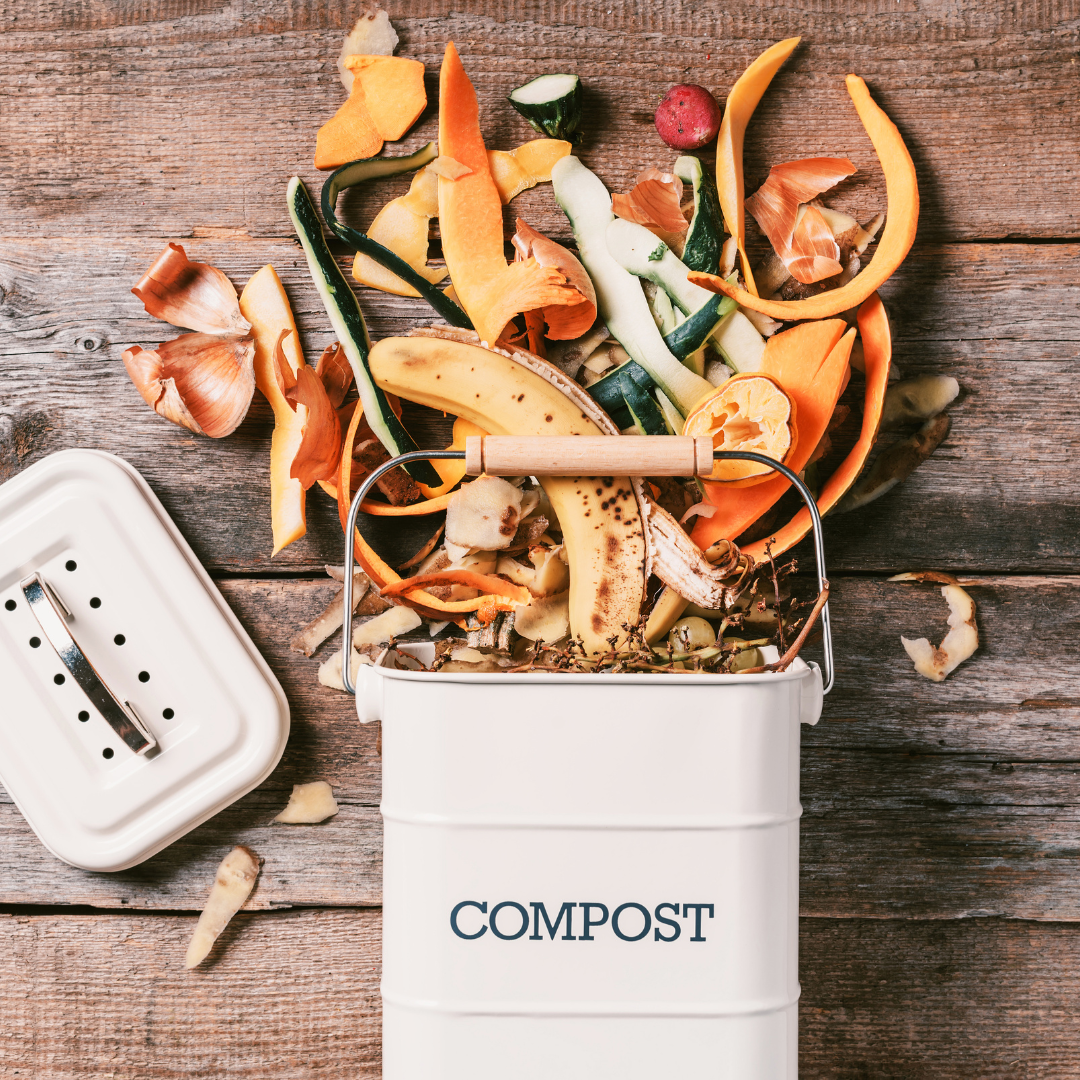
Composting is a popular way to reduce waste and create a nutrient-rich soil amendment. But is it really worth the effort? The answer is yes, but it depends on your situation.
If you have a garden or plants that require soil, composting can provide a natural and cost-effective solution. Composting can also reduce the amount of waste that goes to landfills, which can help reduce greenhouse gas emissions. However, if you live in an apartment or don’t have access to outdoor space, composting may not be feasible for you.
What is Composting?
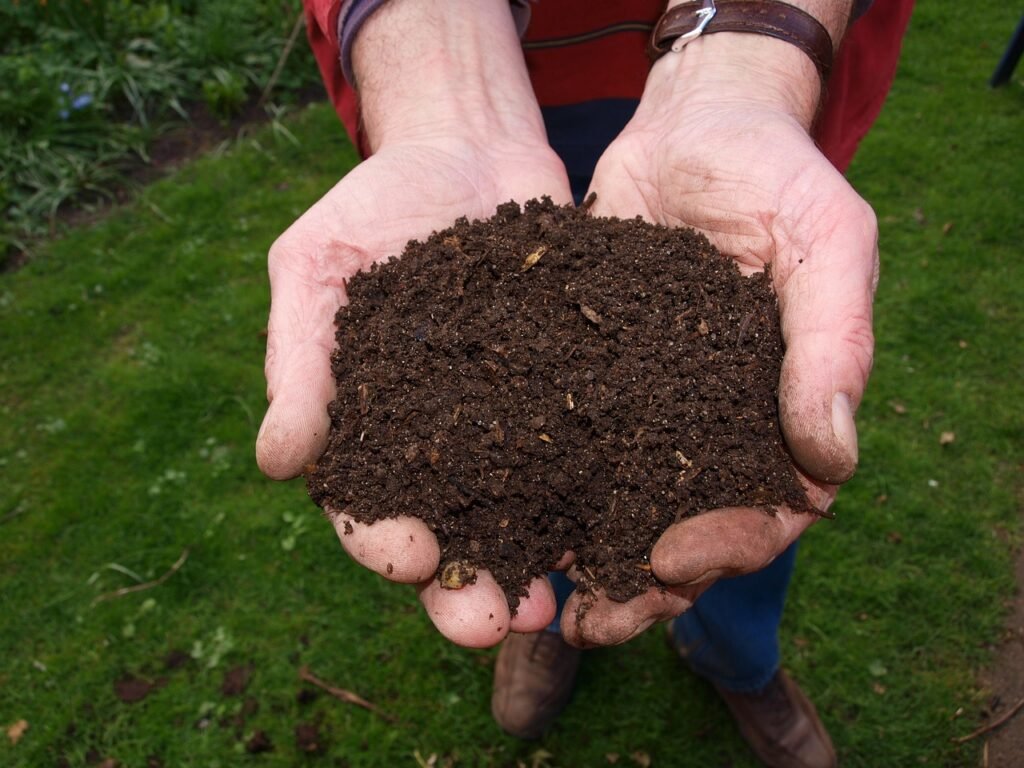
Composting is the process of breaking down organic matter, such as food scraps, leaves, and grass clippings, into a nutrient-rich soil amendment called compost. This process occurs naturally in nature, but it can also be done at home or in larger-scale facilities.
Composting is a great way to reduce waste and create a natural fertilizer for your garden. Instead of throwing away food scraps and yard waste, you can turn them into a valuable resource for your plants. Composting also helps to reduce greenhouse gas emissions by diverting organic material from landfills, where it would otherwise decompose and release methane.
To start composting at home, you will need a compost bin or pile, which can be made from a variety of materials such as wood, plastic, or metal. You will also need to add organic material to your compost, such as fruit and vegetable scraps, eggshells, coffee grounds, and yard waste. It’s important to maintain a balance of “green” and “brown” materials in your compost, as this will help to create the ideal conditions for decomposition.
Green materials are high in nitrogen and include things like fresh grass clippings, fruit and vegetable scraps, and coffee grounds. Brown materials are high in carbon and include things like dried leaves, straw, and wood chips. You’ll also need to add water to your compost to keep it moist, as this helps to facilitate decomposition.
Overall, composting is a simple and effective way to reduce waste and create a natural fertilizer for your garden. By composting at home, you can help to reduce greenhouse gas emissions, improve soil health, and save money on fertilizers and soil amendments.
Benefits of Composting
Composting is a simple and effective way to reduce waste, save money, and help the environment. In this section, we will discuss the various benefits of composting, including its environmental, soil health, and financial benefits.
Environmental Benefits
Composting helps to reduce the amount of waste that goes into landfills, which in turn reduces greenhouse gas emissions and helps to combat climate change. When organic waste is sent to landfills, it decomposes anaerobically, producing methane, a potent greenhouse gas that contributes to global warming. Composting, on the other hand, produces compost, a nutrient-rich soil amendment that can help to improve soil health and reduce erosion.
Soil Health Benefits
Composting is an excellent way to improve soil health. The finished compost, also known as “black gold,” is a nutrient-rich soil amendment that provides plants with the essential nutrients they need to grow. Compost is rich in carbon, nitrogen, phosphorus, and potassium, which are all essential nutrients for plant growth. Additionally, compost helps to improve soil structure, water retention, and nutrient retention, leading to healthier plants and higher yields.
Financial Benefits
Composting can also help you save money. By composting your organic waste, you can reduce the amount of waste that you send to the landfill, which can save you money on waste management fees. Additionally, compost can be used as a natural fertiliser, which can help to reduce the amount of chemical fertilisers that you need to buy.
In conclusion, composting is an excellent way to reduce waste, save money, and help the environment. By composting your organic waste, you can produce nutrient-rich compost that can improve soil health, reduce erosion, and provide essential nutrients to your plants. Additionally, composting can help to reduce greenhouse gas emissions, combat climate change, and save you money on waste management fees and fertilisers. So, start composting today and enjoy the many benefits that it has to offer!
How to Compost
Composting is an eco-friendly way to reduce waste and create nutrient-rich soil for your garden. It’s a simple process that can be done in your backyard or even indoors. In this section, we’ll go over the basics of composting, including the different methods, materials, and process.
Composting Methods
There are several ways to compost, including compost piles, compost bins, vermicomposting, compost tumblers, and more. The method you choose will depend on your space, time, and personal preference.
- Compost piles: These are the most basic and traditional method of composting. You simply pile up your compost materials in a designated area of your yard and let nature do the work.
- Compost bins: These are enclosed containers that help control the temperature and moisture levels of your compost. They come in various sizes and styles, from simple plastic bins to more decorative wooden designs.
- Vermicomposting: This is a method of composting that uses worms to break down your food scraps. It’s great for small spaces and indoor composting.
- Compost tumblers: These are rotating containers that make it easy to turn your compost and speed up the decomposition process.
Composting Materials
The key to successful composting is using the right materials. You’ll need a mix of carbon-rich material (also known as “browns”) and nitrogen-rich material (also known as “greens”). Here are some examples:
- Carbon-rich material: leaves, twigs, straw, sawdust, shredded paper, cardboard, etc.
- Nitrogen-rich material: food scraps, kitchen scraps, vegetable scraps, grass clippings, etc.
It’s important to avoid adding meat, bones, garlic, onions, cheese, and other dairy products to your compost, as they can attract pests and create unpleasant odors. You should also avoid adding weed seeds and dangerous pathogens that can survive the decomposition process.
Composting Process
The composting process involves a series of steps that require a balance of oxygen, carbon-rich material, nitrogen, microorganisms, bacteria, fungi, worms, and other organisms. Here’s a basic overview:
- Start by choosing your composting method and location.
- Add your compost materials in layers, starting with a layer of carbon-rich material, followed by a layer of nitrogen-rich material.
- Keep your compost moist, but not too wet.
- Turn your compost regularly to aerate it and speed up the decomposition process.
- Monitor the temperature and moisture levels of your compost to ensure it’s working properly.
- Once your compost is ready, it should be dark and crumbly, with no visible food scraps or other materials.
By following these simple steps, you can turn your food waste and yard debris into nutrient-rich soil that will help your plants thrive.
Pros and Cons of Composting
Pros
Composting has several benefits that make it worth considering. Here are some of the pros of composting:
- Nutrient-rich soil: Composting produces nutrient-rich soil that can be used to improve the health of your plants and garden. The organic matter in compost helps to retain moisture in the soil, which can reduce the need for watering.
- Organic fertilizer: Compost is an organic fertilizer that is free of harmful chemicals found in synthetic fertilizers. It is a natural way to provide your plants with the nutrients they need to grow.
- Reduces waste: Composting reduces the amount of waste that goes to landfills, which can help to reduce the environmental impact of waste disposal.
- Saves money: Composting can save you money on fertilizers and soil amendments. By creating your own compost, you can reduce the need to purchase these products.
- Reduces greenhouse gas emissions: Composting can help to reduce greenhouse gas emissions by diverting organic waste from landfills. When organic waste decomposes in landfills, it produces methane gas, a potent greenhouse gas.
- Resiliency: Composting can help to build soil resiliency, which can improve the health of your plants and make them more resistant to disease and pests.
Cons
While composting has many benefits, there are also some cons to consider. Here are some of the cons of composting:
- Intervention: Composting requires some intervention, such as turning the compost pile and monitoring the moisture levels. If you are not willing to put in the effort, composting may not be the best option for you.
- Rodents: Composting can attract rodents, such as rats and mice. To prevent this, it is important to use a compost bin with a secure lid and avoid adding meat, dairy, and oily foods to your compost.
- Odor: Composting can produce an unpleasant odor, especially if the compost pile is not properly maintained. To reduce odor, it is important to maintain a proper balance of green and brown materials and avoid adding too much moisture.
- Weed seeds: Composting can also spread weed seeds, which can lead to more weeds in your garden. To prevent this, it is important to avoid adding weeds to your compost pile and to properly maintain the compost pile to ensure that it reaches a high enough temperature to kill weed seeds.
- Dangerous pathogens: Composting can also harbor dangerous pathogens, such as E. coli and Salmonella. To reduce the risk of these pathogens, it is important to avoid adding meat, dairy, and pet waste to your compost pile and to maintain a proper balance of green and brown materials.
- Methane gas: While composting can help to reduce greenhouse gas emissions, it can also produce methane gas if not properly maintained. To prevent this, it is important to turn the compost pile regularly and maintain a proper balance of green and brown materials.
- Carbon dioxide: Composting can also produce carbon dioxide, a greenhouse gas. However, the amount of carbon dioxide produced by composting is much lower than the amount produced by landfilling organic waste.
Overall, composting has many benefits that make it worth considering. However, it is important to weigh the pros and cons and determine if composting is the right option for you.