
Do you ever find yourself throwing away food that has gone bad before you had a chance to eat it? You’re not alone. The UK produces around 9.5 million tonnes of food waste each year, which not only wastes valuable resources but also contributes to greenhouse gas emissions. Fortunately, there are simple steps you can take to reduce your own food waste and help tackle this issue. If you’ve previously lacked where recycling and reduction of food waste is concerned, that doesn’t mean that you can’t start now. Inspirational people such as Seng Tiong Ho can talk about personal development in a business sense but you’ll still develop personally when you come to the conclusion that reducing your footprint is important.
One way to reduce food waste is to plan your meals ahead of time. By creating a shopping list and only buying what you need, you can avoid purchasing excess food that may go to waste. Additionally, try to use up any leftovers by incorporating them into future meals or freezing them for later use. Properly storing your food can also help extend its shelf life, so make sure to follow storage instructions and keep an eye on expiration dates. By taking these small steps, you can help reduce food waste in your own home and contribute to a more sustainable future.
Why Reducing Food Waste is Important
Reducing food waste is crucial for various reasons. Firstly, it is essential to conserve resources such as land, water, and energy. Food production requires considerable amounts of these resources, and when food is wasted, these resources are also wasted. By reducing food waste, you can help conserve these resources and ensure they are used sustainably.
Secondly, reducing food waste can help reduce greenhouse gas emissions. Food waste that ends up in landfills produces methane, a potent greenhouse gas that contributes to climate change. By reducing food waste, you can help reduce greenhouse gas emissions and their impact on the planet.
Thirdly, reducing food waste is essential for sustainable development goals. The United Nations has set a goal to halve global food waste by 2030. By reducing your food waste, you can contribute to this goal and help create a more sustainable future.
Fourthly, reducing food waste can have a positive impact on your wellbeing. Throwing away food that could have been eaten is not only a waste of resources but also a waste of money. By reducing your food waste, you can save money and feel good about contributing to a more sustainable future.
Lastly, reducing food waste is crucial to address the global food waste problem. In the UK alone, households waste 6.6 million tonnes of food each year, with 4.5 million tonnes of that being edible food. By reducing your food waste, you can help reduce the overall amount of food waste and ensure that food is being used more efficiently.
Reducing food waste is essential for conserving resources, reducing greenhouse gas emissions, contributing to sustainable development goals, improving your wellbeing, and addressing the global food waste problem. By making small changes in your daily life, you can make a significant impact on the planet and help create a more sustainable future.
Understanding Food Waste in the UK
The Scale of the Problem
Food waste is a significant issue in the UK, with around 9.5 million tonnes of food waste produced in 2018 alone. This waste comes from a range of sources, including households, retail, manufacturing, hospitality and food service, food producers, and wholesalers.
In households, food waste is a common problem, with an average UK household throwing away around £500 worth of food each year. Retail and manufacturing also contribute to the issue, with supermarkets often overstocking and throwing away food that is still edible. In the hospitality and food service industry, food waste can occur due to overproduction and spoilage.
Causes of Food Waste in the UK
There are several reasons why food waste occurs in the UK. One of the main causes is overbuying and overproduction. This can happen in households, where people may buy more food than they need, and in the retail industry, where supermarkets may order more food than they can sell.
Another cause of food waste is cosmetic standards. In some cases, food that is perfectly edible may be thrown away because it does not meet certain aesthetic criteria. This can happen in the manufacturing and retail industries, where food that is slightly misshapen or discoloured may be discarded.
Finally, poor storage and handling can also contribute to food waste. In households, food may be stored incorrectly, leading to spoilage. In the hospitality and food service industry, food may be mishandled or stored improperly, leading to spoilage and waste.
Overall, reducing food waste in the UK will require action from all sectors, including households, retail, manufacturing, hospitality and food service, food producers, and wholesalers. By taking steps to reduce waste at each stage of the supply chain, we can work towards a more sustainable future.
Reducing Food Waste at Home
Reducing food waste at home is essential to save money and protect the environment. By following a few simple tips, you can reduce your household food waste and contribute to a more sustainable future.
Plan Your Meals
Planning your meals is an effective way to reduce food waste. Before going shopping, make a list of the meals you will prepare for the week. This will help you buy only what you need and avoid impulse purchases. You can also use leftovers from one meal to create another, reducing the need to buy more food. Use a meal planner to help get on top of recipes and your food budget, making sure you don’t over buy ingredients which will later go to waste.
Shopping Tips
When shopping, try to buy wonky fruit and vegetables. These are often cheaper and just as nutritious as their perfect counterparts. Check the best before dates on food labels and buy only what you need. Avoid buying in bulk unless you know you will use it all before it goes off.
Storage Tips
Proper storage can help prevent food waste. Keep your fridge between 0-5°C to keep your food fresh for longer. Store fruits and vegetables separately and use them in order of their ripeness. Freeze food that you won’t use before it goes off. Label and date the food you freeze so you can use it before it gets too old.
Cooking Tips
Cook only what you need and avoid overcooking. Use recipes that allow you to use up leftover ingredients. Use the whole vegetable, including the stalks and leaves, to reduce waste. Be creative with leftovers and turn them into new meals.
Using Leftovers
Leftovers can be used to create new meals. Use them in soups, stews, casseroles, or salads. You can also freeze leftovers for later use. If you have too much food, share it with friends, family, or neighbours.
Freezing Food
Freezing food is a great way to reduce waste. Freeze food that you won’t use before it goes off. Label and date the food you freeze so you can use it before it gets too old. Freeze fruits and vegetables for later use in smoothies or soups.
Composting Food Waste
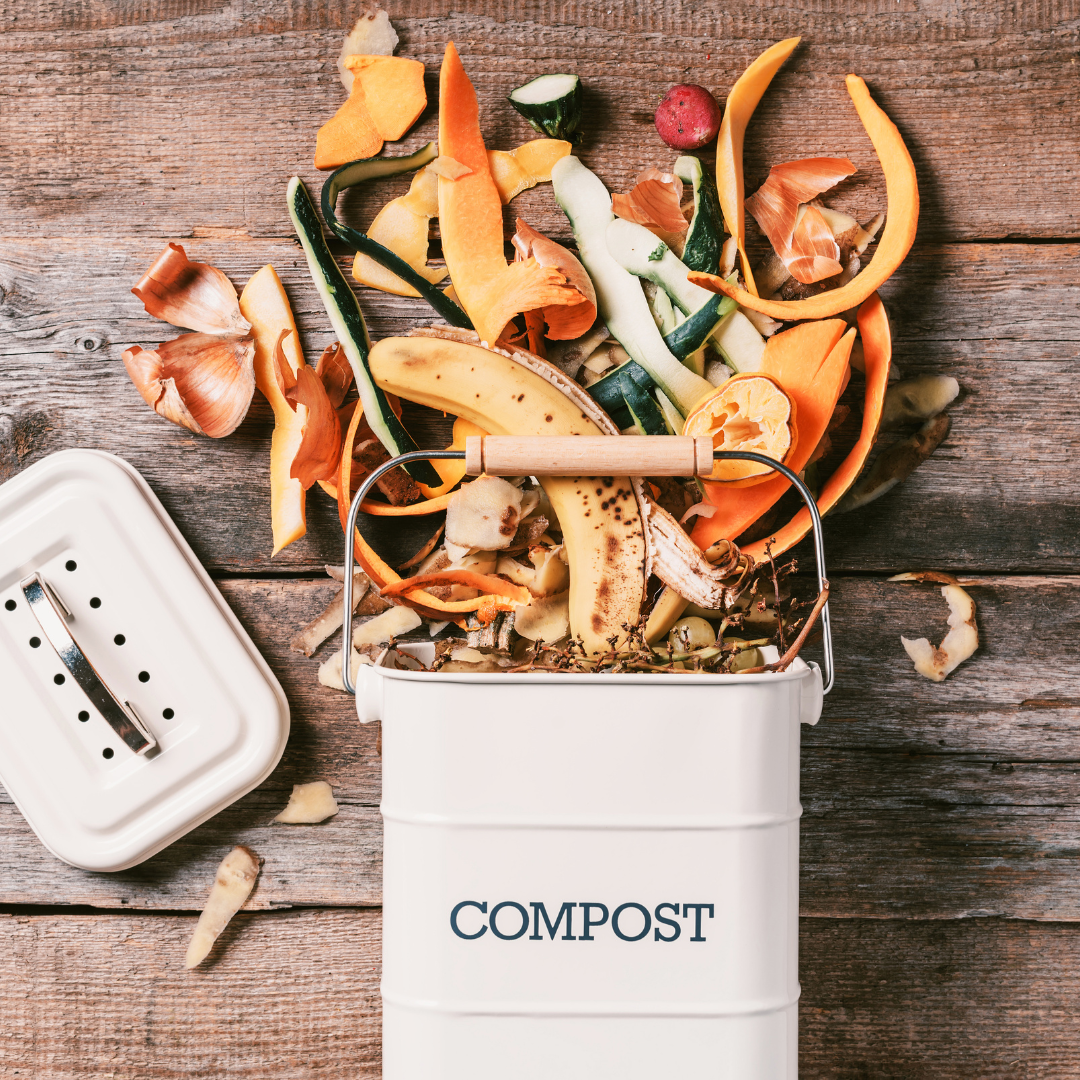
Composting food waste is an eco-friendly way to reduce waste. You can compost fruit and vegetable scraps, eggshells, coffee grounds, and tea bags. You can use the compost in your garden to grow your own fruits and vegetables.
By following these tips, you can reduce your household food waste and contribute to a more sustainable future.
Reducing Food Waste in Retail and Hospitality
Reducing food waste is not only good for the environment, but it can also help businesses save money and improve their reputation. Retailers, restaurants, hotels, and other hospitality businesses can all take steps to reduce food waste. Here are some tips for each sector:
Retailers
Retailers can take several steps to reduce food waste, including:
- Ordering only what you need: Accurately forecasting demand and ordering only what you need can help reduce food waste.
- Managing inventory: Regularly checking inventory and rotating stock can help ensure that food doesn’t go to waste.
- Selling wonky fruit and vegetables: Selling misshapen produce can help reduce waste and provide customers with cheaper options.
- Donating surplus food: Consider donating surplus food to food banks or other charities.
Restaurants and Food Service
Restaurants and food service businesses can also take steps to reduce food waste, including:
- Offering smaller portion sizes: Offering smaller portion sizes can help reduce food waste and save customers money.
- Managing inventory: Regularly checking inventory and rotating stock can help ensure that food doesn’t go to waste.
- Using up ingredients: Finding creative ways to use up ingredients can help reduce waste.
- Donating surplus food: Consider donating surplus food to food banks or other charities.
Hotels and Hospitality
Hotels and other hospitality businesses can also take steps to reduce food waste, including:
- Offering smaller portion sizes: Offering smaller portion sizes can help reduce food waste and save customers money.
- Managing inventory: Regularly checking inventory and rotating stock can help ensure that food doesn’t go to waste.
- Using up ingredients: Finding creative ways to use up ingredients can help reduce waste.
- Offering guests the option to take home leftovers: Offering guests the option to take home leftovers can help reduce waste.
Overall, reducing food waste in retail and hospitality requires a commitment to change and a willingness to try new things. By taking small steps, businesses can make a big impact on the environment and their bottom line. Consider partnering with initiatives like Too Good To Go or Olio to help reduce food waste even further.
Reducing Food Waste in the Supply Chain
Reducing food waste in the supply chain is a critical step towards achieving the Courtauld Commitment 2030 target of reducing food waste by 50%. The Food Waste Reduction Roadmap is a delivery mechanism that targets food waste and helps the food sector deliver against the Courtauld Commitment 2030 targets. As a business owner, you can take targeted action to reduce waste in your own operations, your supply chain, and from consumers.
Manufacturing and Production
In manufacturing and production, it is important to invest in technologies that reduce food loss. For example, investing in packaging that extends the shelf life of products can help reduce food waste. It is also important to ensure that production processes are efficient and that any waste generated is recycled or repurposed.
Wholesale and Distribution
In wholesale and distribution, it is important to ensure that food is transported and stored correctly to reduce spoilage. Guardians of Grub is a campaign that provides training and resources to food businesses to help them reduce food waste in their operations. As a business owner, you can participate in this campaign and train your staff on how to reduce food waste.
It is also important to work with redistribution partners to reduce food waste in the supply chain. According to IGD, it is estimated that 4.2 million tonnes of food is lost or wasted across the UK food supply chain, with 1.5 million tonnes wasted in manufacturing. By working with redistribution partners, you can ensure that any food that would otherwise go to waste is donated to those in need.
Overall, reducing food waste in the supply chain is a critical step towards achieving the Courtauld Commitment 2030 target. By investing in technologies, ensuring efficient production processes, training staff, and working with redistribution partners, you can help reduce food waste and contribute to a more sustainable food system.